Look, in the world of aesthetic healthcare, especially medspas and clinics offering neuromodulators and fillers, these two terms—patient satisfaction and patient experience—get tossed around like they’re interchangeable. But here’s the deal: they’re not. And if you’re serious about optimizing your medspa patient journey and boosting clinic profitability, you need to understand the difference and why both matter.
The Modern Aesthetic Patient Journey: More Than Just Satisfaction
Think about it for a second: your guests don’t just walk in, get a treatment, and leave happy or unhappy. Their experience starts way before the appointment and continues long after they’ve left your clinic. This full spectrum is the modern patient journey in aesthetic medicine.
- Pre-Visit: Researching you online, reading Real Self reviews, browsing your transparent pricing medspa page (or not, if it’s vague and frustrating). Booking: Interacting with your clinic scheduling software or maybe a chatbot for medical appointments. Are these tools easy to use? Do they save time or cause headaches? Arrival and Care: The waiting room design, the empathy training healthcare staff have undergone, the injector patient relationship during consultation, and managing first time Botox anxiety with AR virtual mirror clinic tech or calming VR environments. Post-Procedure: Clear post procedure instructions, digital aftercare summary, and improving patient follow up through teleconsultations or a quick 5-minute video check-in a week post-procedure. Ongoing Engagement: Getting more patient reviews, managing Real Self profile actively, sending out patient satisfaction surveys and net promoter score healthcare (NPS) feedback loops at two trigger points—right after consultation and again a week after treatment.
Patient satisfaction is a snapshot—a reaction after a specific moment, like “Did I like my Botox results?” Patient experience is the whole movie, the entire journey, and how every touchpoint makes your guests feel about your clinic.
Building Trust Through Transparency and Expertise
Let’s be honest—nothing kills cosmetic patient trust faster than hidden add-on fees or vague filler pricing strategy. Ever wonder why some clinics are always booked solid while others struggle to fill chairs? One big reason is transparent pricing medspa policies and clear communication about the cost per unit neuromodulator and cost per syringe of filler.
Here’s an insider tip: post your pricing clearly on your website, break it down without jargon, and avoid disclaimers that say “prices may vary.” It’s not just about honesty; it’s about setting realistic patient expectations cosmetic treatments demand.
Also, injectors and front-desk staff should be trained to answer basic questions confidently—“How many units of Botox will I need?” or “What’s the difference in filler for lips vs. cheeks?” If they can’t, you’re losing trust before the first needle goes in.
Expertise Matters
Clients want to know they’re in the hands of professionals who understand not just the art of injectables but the science of patient experience ROI. That means investing in continuous education, using healthcare CRM reviews to pick the right software, and employing aesthetic practice consulting when needed to fine-tune your operations.
Using Digital Tools to Humanize the Clinic
It may sound counterintuitive, but smart use of AI in aesthetic medicine and digital tools can actually make your clinic feel more human—and less like a factory.
- Healthcare CRM: Use systems that integrate patient data security Canada standards and ePHI protection to build safe and seamless profiles for your guests. Chatbots: Website chatbots can handle appointment scheduling and FAQs 24/7, freeing up staff to focus on real conversations and empathy training healthcare. AR Virtual Mirror Clinic: Simulated cosmetic results before treatment help manage patient expectations and reduce first time Botox anxiety. Online Intake Platforms and Teleconsultations: These tools streamline the modern patient journey and reduce administrative bottlenecks, increasing clinic conversion rate.
The bottom line is, these technologies should not replace human interaction but enhance it, making your guests feel cared for https://www.healthcarebusinesstoday.com/navigating-the-confusion-of-health-insurance-as-a-self-employed-worker/ and understood from the first click to the final follow-up.

The In-Clinic Experience: Tech and Human Touch
Once your guests arrive, the clock is ticking. Are you delivering concierge level service that turns nervous first-timers into loyal advocates? Here are some practical strategies:
Medspa Waiting Room Design: Create a calming environment with luxury clinic decor and optional VR environments—think beach or forest scenes—to reduce patient anxiety before injections. Active Listening Skills: Train your staff to hear beyond words. A guest’s hesitation might signal unvoiced concerns about filler pricing strategy or fear of needles. Empathy Training Healthcare: Regular workshops can improve how your team handles delicate conversations, especially when discussing Real Self profile reviews or managing negative clinic reviews. Transparent Pricing Discussions: Use clear data—cost per unit neuromodulator, cost per syringe of filler—to remove sticker shock and build trust during consultations.Let me give you a real-world example: providers of Botox and injectables in Toronto who adopted a 5-minute video check-in post-procedure saw an 80% increase in satisfaction with aftercare. This simple step addresses concerns early and reduces negative reviews.
Feedback Loops for Continuous Improvement
well,Here’s where many clinics drop the ball. You need a structured feedback loop clinic that captures and acts on guest input consistently.
- Net Promoter Score Healthcare: Send NPS surveys at two trigger points: post-consultation and one week post-procedure. This helps capture both initial impressions and longer-term satisfaction. Patient Satisfaction Survey: Keep them short but focused on key drivers like clinic service excellence and injector patient relationship. Managing Real Self Profile and Online Reviews: Respond promptly to all reviews, especially negative clinic reviews. Address complaints with empathy and offer solutions rather than excuses. Monthly Operational Review: Use medspa business metrics from your healthcare CRM to track trends in patient retention strategies and appointment confirmation ideas.
The bottom line is continuous improvement isn’t just a buzzword—it’s a survival tactic. If you’re not measuring patient experience ROI and acting on it, you’re leaving money and loyalty on the table.
Final Thoughts
Optimizing the patient experience in aesthetic healthcare is a multi-layered challenge but also a massive opportunity. From transparent pricing medspa policies and detailed filler pricing strategy to using AI in aesthetic medicine and healthcare CRM reviews, each piece contributes to a seamless, trust-building journey.
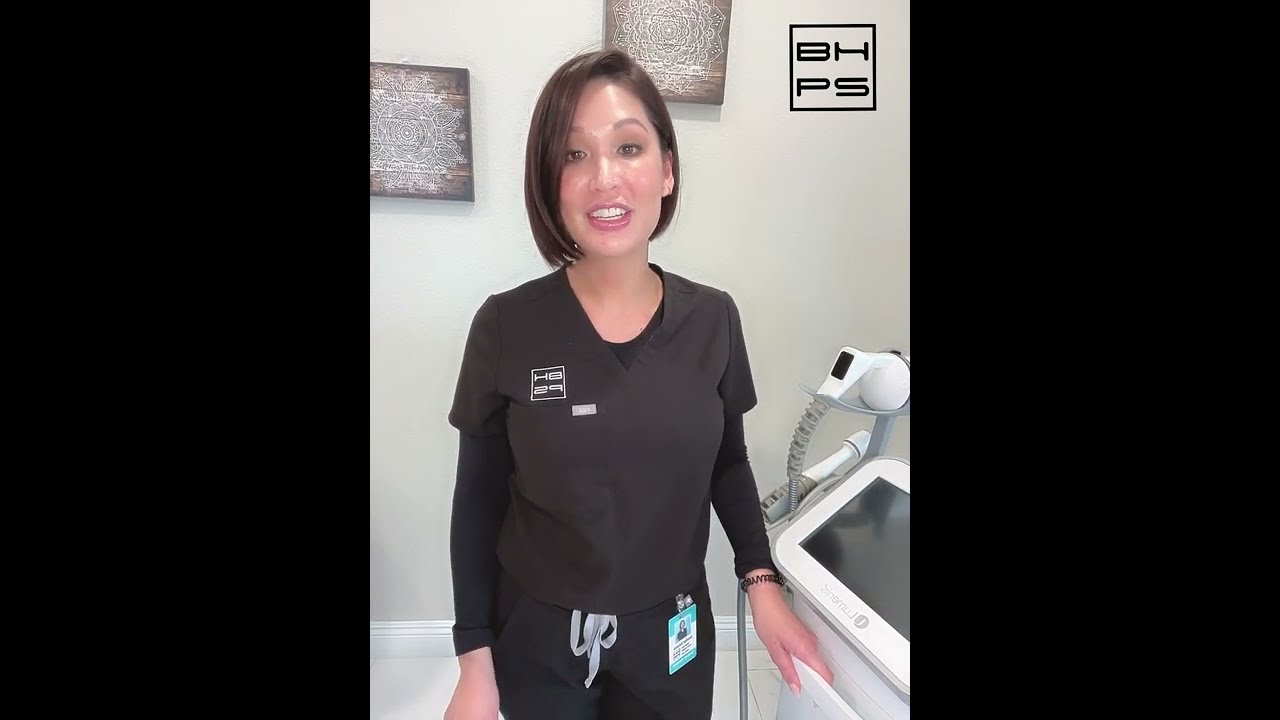
Remember, patient satisfaction is how guests feel after a procedure; patient experience is how they feel throughout the entire journey. Nail both, and you’ll not only reduce patient churn but also increase clinic conversion rate and profitability.
So, what’s the secret sauce? A mix of empathy-driven human touch, smart use of technology, clear communication, and relentless focus on data. That’s how you build a practice guests love and competitors envy.